Sojag Messina Galvanized Steel Roof: The Honest Buyer's Guide
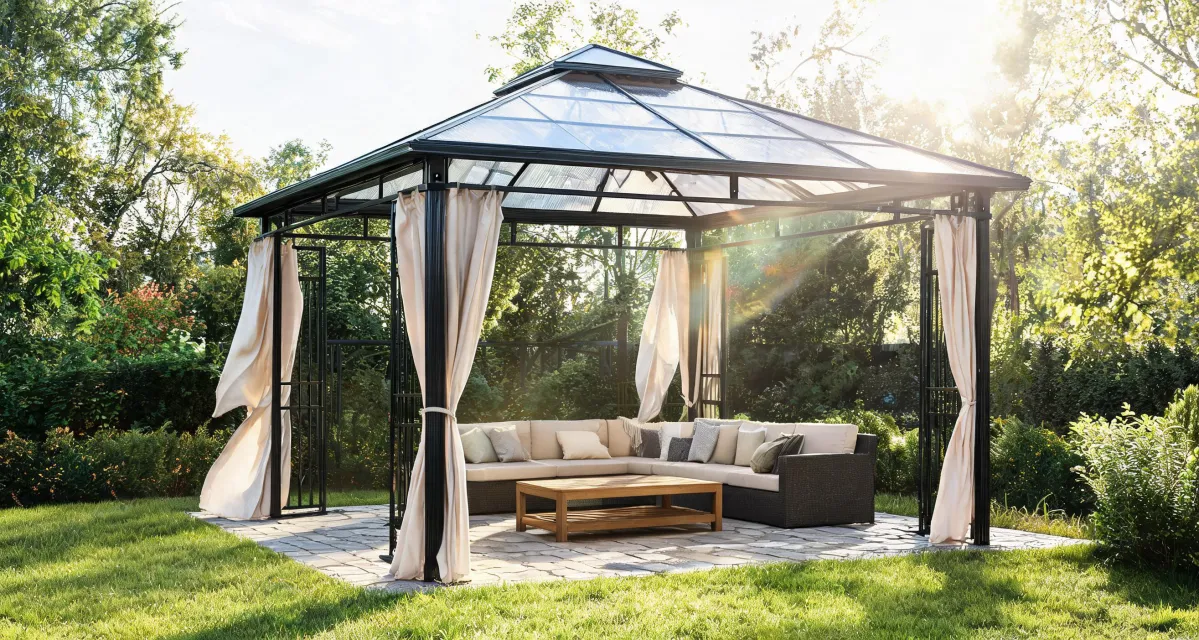
The Sojag Messina's galvanized steel roof is not a guarantee of years without worry; it's a promise that depends on how carefully you install it and how honestly you maintain it. Most buyers hear 'galvanized steel' and imagine a maintenance-free fortress, but that assumption ignores the physics of rust and the reality of outdoor wear. You're not just purchasing a roof; you're entering into a relationship with a structure that will punish shortcuts. The question isn't whether steel outperforms fabric—it almost always does in wind and snow. The real question is whether you're ready for what steel demands once it's standing in your yard. If you expect to bolt it together and forget it, you'll likely end up disappointed within a few seasons. If you treat the initial setup as the most important hour of the structure's life, the Messina can reward you for a decade or more. That split is what this article is about: not whether the roof is 'good,' but whether you can live up to the conditions that make it good.
The Galvanized Steel Roof That Looks Great—Until It Doesn't
Let's be honest about the Sojag Messina: the galvanized steel roof isn't a free pass to years without a care. It's a promise that only holds if you install it carefully and maintain it honestly. Many people assume 'galvanized steel' means zero upkeep, but that ignores how rust actually starts and what outdoor weather does over time. You're not simply buying a roof; you're signing up for a relationship with a structure that punishes shortcuts. The real comparison isn't steel versus fabric—steel almost always wins in wind and snow. The question is whether you can handle what steel asks of you once it's in your backyard. Bolt it together and forget it, and you'll probably be disappointed within a few seasons. Treat the initial assembly as the most important hour of its life, and the Messina can serve you for a decade or more. That's the real subject of this article: not whether the roof is 'good,' but whether you can meet the conditions that make it good.
The misconception that a galvanized steel roof means 'never rust' collides with the way the coating actually works. The zinc layer is sacrificial; it protects the steel underneath by corroding first, but only as long as the coating remains intact. A scratch from a falling branch, a scrape during installation, or even a concentrated pool of standing water can breach that layer, and rust begins at the wound. That's why the brand behind the product matters. Sojag sits inside ShelterLogic's outdoor product family, and the company's own pages advertise 'US-based customer support' available seven days a week, along with replacement cover kits and winter gazebo covers. That support infrastructure doesn't stop rust, but it changes the risk: when a panel or fastener fails, you can get the right part instead of improvising. In other words, the steel's weakness is manageable if the manufacturer stays around to back it up.
Steel's Real Strength, and Its One Silent Weakness
A galvanized steel roof earns its keep in conditions that flimsier materials can't handle. The panels are rigid and interlock, so they resist uplift in strong wind far better than fabric, which can flap and tear at the seams. Snow load is another matter: steel's smooth surface allows most snow to shed if the pitch is adequate, whereas a flat fabric roof can sag and collect weight until the frame bends. The Messina's steel panels screw directly into the frame, and when those fasteners are set correctly, the whole structure behaves like a single unit rather than a collection of parts. That unity is what gives you protection from the elements—but it's also what makes installation errors so costly. If water gets trapped between panels or under a loose fastener, the corrosion begins in places you can't see until it's already spread. So the same stiffness that makes steel strong also concentrates stress at every connection point, which means each of those points needs to be installed and maintained with care.
The engineering argument only works if you can get parts and support when something goes wrong. Sojag's official pages list '7 days a week US-based customer support' and a full replacement ecosystem: Replacement Cover Kits, canopies, winter gazebo covers, even roof strengthening kits. That list isn't marketing fluff; it's a commitment to keeping your structure functional years after purchase. Compare that to a no-name gazebo where a torn panel or broken bracket means scouring the internet for a match. Sojag's ecosystem means you can replace a damaged roof panel, swap out a worn cover, or bolt on a winter kit without rebuilding the entire unit. For a steel roof that will eventually scratch or shed a fastener, that support transforms a potential write-off into a repair expense. It doesn't eliminate the need for maintenance, but it makes each repair predictable and affordable, which is exactly what a long-term buyer needs.
But here's the condition that makes or breaks the steel's advantage: the protective coating is thin, measured in microns, and it's only as good as the care it receives. A single deep scratch from a ladder or a piece of windblown debris exposes bare steel, and if that spot stays wet, rust will creep outward. Similarly, if the gazebo's base isn't level, water pools on the roof's seams instead of draining, and those seams become the first places to corrode. The galvanized layer is passive protection—it gives you time, not immunity. You are the active ingredient: the person who touches up scratches, clears leaves, and checks the drainage after every heavy rain. Without that vigilance, the steel roof's promised durability erodes, and you'll blame the material when the fault lies in neglect. This is the honest trade-off: steel offers superior resistance, but it demands superior commitment.
The Small Installation Mistake That Can Retire a Steel Roof Early
The most common way a Messina steel roof fails isn't a storm ripping it apart; it's a loose bolt turning into a hole. During installation, if you don't torque the fasteners to the recommended setting, wind vibration can gradually work them free. The panels then move against the frame, and the edges of the screw holes wear into elongated slots. Water finds those gaps, and the cycle accelerates: rust loosens the grip further, and the next storm does more damage. A base that isn't level creates the same problem from the ground up. The frame twists, the roof panels sit unevenly, and the seals at the seams open under stress. These aren't exotic failures; they're the everyday consequences of skipping the two steps that take the most time: leveling the foundation and tightening every bolt to spec. The steel roof itself isn't fragile—the installation is what turns it fragile. That's the uncomfortable irony: the material is tough, but the assembly is what determines whether it stays tough.
Maintenance is less about labor and more about consistency. Twice a year—once before winter and once after—walk around the structure and inspect the roof panels for scratches, chips, or coating wear. A small can of galvanized repair paint fixes most issues in minutes; leaving a bare spot to rust costs you the panel eventually. Keep the roof free of leaves and pine needles, because trapped debris holds moisture against the coating. If you live in a snow zone, remove heavy accumulations with a plastic shovel before the weight stresses the frame. And every spring, check that the drainage path is still clear—a single blocked valley can turn the roof into a swimming pool that corrodes its own seams. None of this is difficult, but each step is a choice to protect the investment you made. The cost of skipping it is measured in premature rust and leaks that are far more expensive to fix. You might set aside thirty minutes in spring and another in autumn; that's a small price for a structure that's supposed to stand for a decade.
Seasonal load is where the steel roof shows its limits if you ignore maintenance. In summer, UV exposure slowly degrades the coating, but the bigger enemy is autumn, when leaves fill the gutters and trap moisture against the panels. Winter brings the heaviest test: snow can bury the roof, and if the pitch is low or the gutters are frozen, the weight settles in one spot and the frame starts to flex. Spring's freeze-thaw cycles then pry at any crack that formed during the cold months. The Messina's steel handles these loads admirably when everything is in order—bolts tight, base level, drainage clear. When something is off, the same seasons turn into a campaign of slow destruction. The roof doesn't fail in one dramatic moment; it surrenders through a hundred small concessions. Paying attention to seasonal changes isn't paranoia; it's the price of admission for a steel roof that's supposed to last. Each season presents a different test, and the roof's ability to pass all four is what makes it a four-season investment.
Fabric, Aluminum, or Steel: What the Extra Money Actually Buys You
To decide if the Messina is worth it, compare the alternatives from a buyer's perspective. A fabric gazebo costs a fraction of the price, goes together in an afternoon, and will probably start showing wear within three summers: the canopy fades, the straps stretch, and a storm can rip a seam. Aluminum gazebos resist corrosion completely and are lighter, but they cost more than steel in many cases and can dent in hail; they also transmit wind noise differently. The Messina's galvanized steel roof sits between those extremes: heavier and more demanding to install, but structurally stiffer than aluminum in the same price class and far more durable than fabric if you maintain it. The decision isn't about which material is 'best'—it's about which trade-offs you can live with. If you want the lowest upfront cost, fabric wins. If you want the lowest lifetime cost and can handle the upkeep, steel often beats the rest.
Lifespan is where steel earns its premium, but only under the right conditions. A fabric canopy typically lasts three to five years before the UV and weather make it look tired; replacement covers are a recurring expense. Aluminum can last a decade or more but usually costs more upfront and may not handle heavy snow as gracefully as steel's rigid panels. A galvanized steel roof like the Messina's, when installed properly and touched up as needed, can reasonably deliver ten to fifteen years of service before the coating needs serious attention. That longevity is the financial argument: spread the higher initial cost over a decade, and the steel option often ends up cheaper per season than replacing a fabric cover every few years. The catch, again, is that you have to perform the maintenance that keeps the coating intact. Skip that, and the steel roof's lifespan can drop to that of a fabric one, except you paid more and get rust instead of fading. That's the hidden math most buyers miss: the cost of neglect isn't a discount; it's a transfer of money from the roof's expected lifespan to your repair bills.
One reason the Messina's steel roof makes sense as a long-term bet is that Sojag's product ecosystem lets you extend and repair rather than replace. The official site's navigation shows 'Replacement Cover Kits,' 'Winter Gazebo Covers,' and 'Roof Strengthening Kits,' plus a 'Replacement Cover Finder' to match the exact part. The same pages highlight Sojag's connection to ShelterLogic and promote seasonal deals like 'up to 60% off' selected structures—signs that the brand actively supports its installed base. That means when the fabric sides eventually wear out, you can buy new panels instead of a new gazebo. When winter bites, you can add a cover engineered for the frame. This accessory ecosystem is exactly what turns a steel roof from a one-time purchase into a platform you can maintain. For a buyer weighing the cost per year, that availability of parts is almost as important as the raw materials, because it removes the fear that a small failure will orphan the entire structure.
Before You Buy, Answer These Three Questions
So who should buy the Messina? The verdict comes down to your tolerance for responsibility. If you accept that a galvanized steel roof is not a passive object but a system that rewards careful installation and steady upkeep, the Messina is a legitimate long-term investment for a backyard that faces real weather. You're paying for rigidity in wind, shedding in snow, and a support network that will sell you the exact part you need a decade from now. That's a defensible deal. But if you expect to assemble it, walk away, and have it remain flawless with zero attention, the steel will eventually humiliate you with rust and leaks. In that case, a fabric gazebo would bring you more peace because it costs less to be disappointed. The conclusion isn't about whether steel is 'better' than fabric; it's about whether you're the kind of owner who will uphold the conditions that make steel worth it. That responsibility isn't a burden if you're the type of person who already checks the filter on your AC or rotates your tires—it's just one more habit that protects a big purchase.
Apply this three-question test before you order. First, can you commit to leveling the base and torquing every bolt correctly during installation—or hire someone who will? Second, are you willing to spend half an hour twice a year inspecting for scratches, clearing debris, and touching up bare spots? Third, is there room in your budget for a winter cover or replacement parts if a panel gets damaged? If you answer yes to all three, the Messina's steel roof is the better call than fabric. If any answer is no, step down to something with lower demands—your wallet and your patience will thank you. That's the boundary: steel only pays off if you're willing to honor the conditions that make it strong. The questions are deliberately simple because the honest answer is usually clear—you already know whether you'll do the work.
The Messina's galvanized steel roof isn't a guarantee; it's an agreement. You uphold the installation and upkeep, and it returns a decade or more of solid shelter. If that agreement sounds acceptable, buy it with confidence. If it sounds like a burden, spend less and worry less. That's the real test—not which material wins, but which owner you are.

Ingrid Falk
Ingrid Falk is an outdoor living products analyst specializing in fences, pergolas, gazebos, canopies, greenhouses, shade sails, patio sets, outdoor sofas, and weatherproof cushions. She uses ISO 4892-2 and ASTM G154 weathering methods while comparing UV color change, coating adhesion, corrosion resistance, frame load, joint stability, water shedding, and dimensional movement. Her work helps garden retailers, project buyers, and hospitality operators select structures and furniture suited to wind exposure, climate, installation method, maintenance, and expected occupancy.